
Circular Consulting

Life Cycle Assessment (LCA) - Unlock circular opportunities and reduce environmental impact

Life Cycle Assessment (LCA) provides the data needed to identify environmental hotspots, reduce emissions, and unlock circular opportunities across the product life cycle.

Talk to an expert
Metals waiting to be recycled.
LCA illustration

What is a Life Cycle Assessment?

Life Cycle Assessment (LCA) is a systematic, data-driven methodology used to evaluate the environmental impacts of a product, process, or service throughout its entire life cycle – a vital tool for organizations committed to sustainability and circular economy that supports strategic decision-making.

Why do companies conduct Life Cycle Assessments?

  • Identify hotspots & reduce emissions: LCA shows where the major environmental impacts occur across the value chain – from raw materials and production energy to logistics and end‑of‑life – helping companies prioritize effective decarbonization actions.
  • Improve product design & circular strategy: With data‑driven insights, LCA guides strategic decisions in product design, supply chains, and circular business models.
  • Support sustainability reporting: For GHG Protocol, CSRD, ESG, and ESPR (including DPPs) reporting, a full LCA is not required – but LCA‑level data is. LCA builds a structured, high‑quality product‑data foundation that strengthens and streamlines regulatory reporting.
  • Provide the basis for EPDs: LCA is the foundation for Environmental Product Declarations (EPD) – thirdparty verified documents widely used in B2B sales and procurement.  
  • Enable transparent marketing: LCA enables credible comparisons that show how a company’s product performs against its own alternatives or competitors’ products, reducing greenwashing risks and supporting environmental claims.  
  • Gain competitive advantage in tenders: LCA helps companies win private and public contracts when environmental performance matters. 
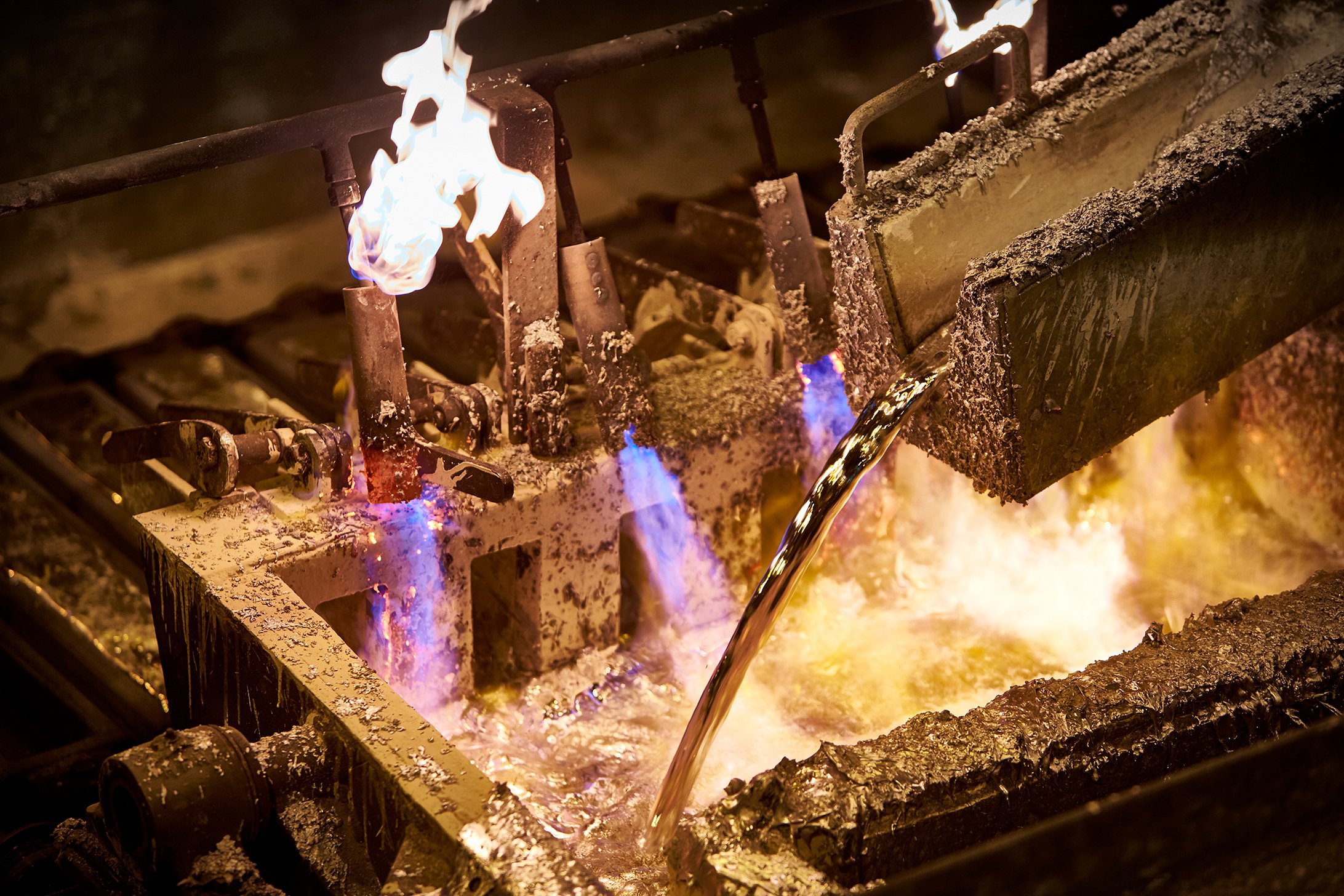
Liquid aluminium

Commonly used LCA models

Screening

A “quick LCA” for early concepts that lack sufficient data

Cradle-to-Gate

Evaluates environmental impacts from raw material extraction (“cradle”) up to the point a product leaves the factory “gate”

Cradle-to-Grave

Full-scope analysis that evaluates the environmental impacts from material extraction to end-of-life (“grave”)

Cradle-to-Cradle

Circular approach that evaluates the impact of keeping components or materials in use via e.g., re- or upcycling and reuse

We support companies with everything from screenings – useful during early product development – to full, comprehensive LCAs. Working closely, we guide them through the entire process: selecting relevant products, defining a realistic scope, collecting the right data, conducting the analysis, and translating the results into practical actions that make the best use of the findings.

All assessments follow ISO 14040 and ISO 14044 standards and can be prepared for third-party critical review – mandatory for external communication and EPDs. We also support companies throughout the entire critical review process, ensuring the study meets all requirements until the review is successfully completed.

How to conduct a Life Cycle Assessment: 5+1 essential points to consider

Where to start? Selecting the right product is key. Together with companies, we map their product portfolio and focus on products with high sales volumes, significant resource use, or strategic importance. This ensures that the LCA focuses on a product(s) where improvements will create the greatest environmental benefit for the company.

Select the right product

This way we ensure that any improvements implemented after the study will generate a substantial positive environmental impact for your company.

Goal & scope

Together we define the study’s goal and scope, including its purpose, intended audience, system boundaries (e.g., Cradle-to-Grave), etc.

Life Cycle Inventory (LCI)

We help you understand and collect all needed data – inputs (energy, materials) and outputs (emissions, waste) to build an accurate representation of the product system (model).

Impact Assessment

Modelling in SimaPro – calculation of the environmental impact in relevant impact categories (e.g., Global Warming in CO₂e, acidification, human toxicity).

Interpretation of results

Translating the results into insights, identifying hotspots, points for improvement and more.

Customer-specific next steps

We combine LCA results with circularity, product design, and material expertise to – together with the customer – identify practical, customer-specific improvement opportunities such as design improvements and circular strategies.

Common “next-steps” we discuss with our customers

Some examples include:

  • Circular business models: Where feasible, extending product life through take-back and reuse, refurbishment, remanufacturing, component harvesting, and similar practices can significantly reduce a product’s environmental impact.
  • Product (re)design: Reducing product mass and choosing alternative production methods lowers – among others – material-related and transport impacts.
  • Material substitution: Replacing virgin materials with recycled, bio-based, or lower‑emission alternatives (e.g., Green Steel) can reduce material-related impacts and supply chain risk.
  • Improved recyclability: (Re)designing products for efficient recycling (Design for Recycling) improves end‑of‑life material recovery and diverts waste from incineration and landfill.
LCA is a valuable tool for quantifying the impacts of various product design or system scenarios, comparing alternatives, and guiding producers toward options that align with their environmental goals and strategy. 

LCA results can also support transparent communication with the public and help influence customer decision-making. At Stena Circular Consulting, we combine deep material expertise, hands-on recycling experience, and circularity know‑how with LCA insights to help companies create environmental and business value.

Green leaf

Our key strengths

Deep circular economy expertise

Our work goes beyond delivering LCA results – we help companies interpret the findings in relation to their strategic goals and identify opportunities in product design, supply‑chain improvements, and circular business models.

High‑accuracy recycling data

By leveraging primary recycling data and insights from Stena Recycling (e.g., actual material recovery rates and recycling process efficiencies), we model recycling scenarios with greater precision, enabling more realistic end-of-life modelling than what generic databases can provide.

Actions that are feasible

We assist companies in identifying solutions for reducing environmental impact that align with technical feasibility in manufacturing and operations, as well as economic viability within procurement processes.

Manos Milathianakis

Talk to an expert

Contact our life cycle assessment consultant experts to get a LCA tailored and optimized for your goal and purpose.

Share article